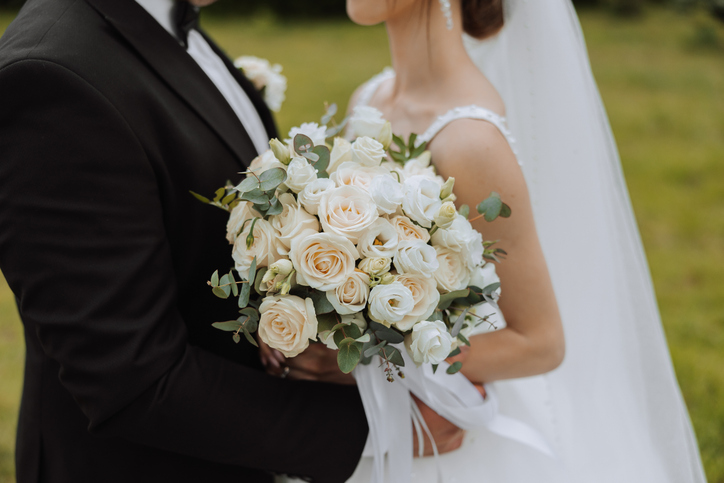
According to recent wedding trends, 2026 is shaping up to be the year where couples prioritize connection over cookie-cutter traditions. Intimate celebrations are replacing massive guest lists, but don't let "intimate" fool you—these weddings are bold, colorful, and deeply personal.
Modern minimalism meets cultural richness. Couples are embracing floor-to-ceiling décor, vibrant color palettes, and immersive dining experiences that reflect their family heritage. Food, especially, has become a way to tell stories—think personalized menus showcasing a couple's cultural backgrounds or locally sourced ingredients that honor the Pacific Northwest.
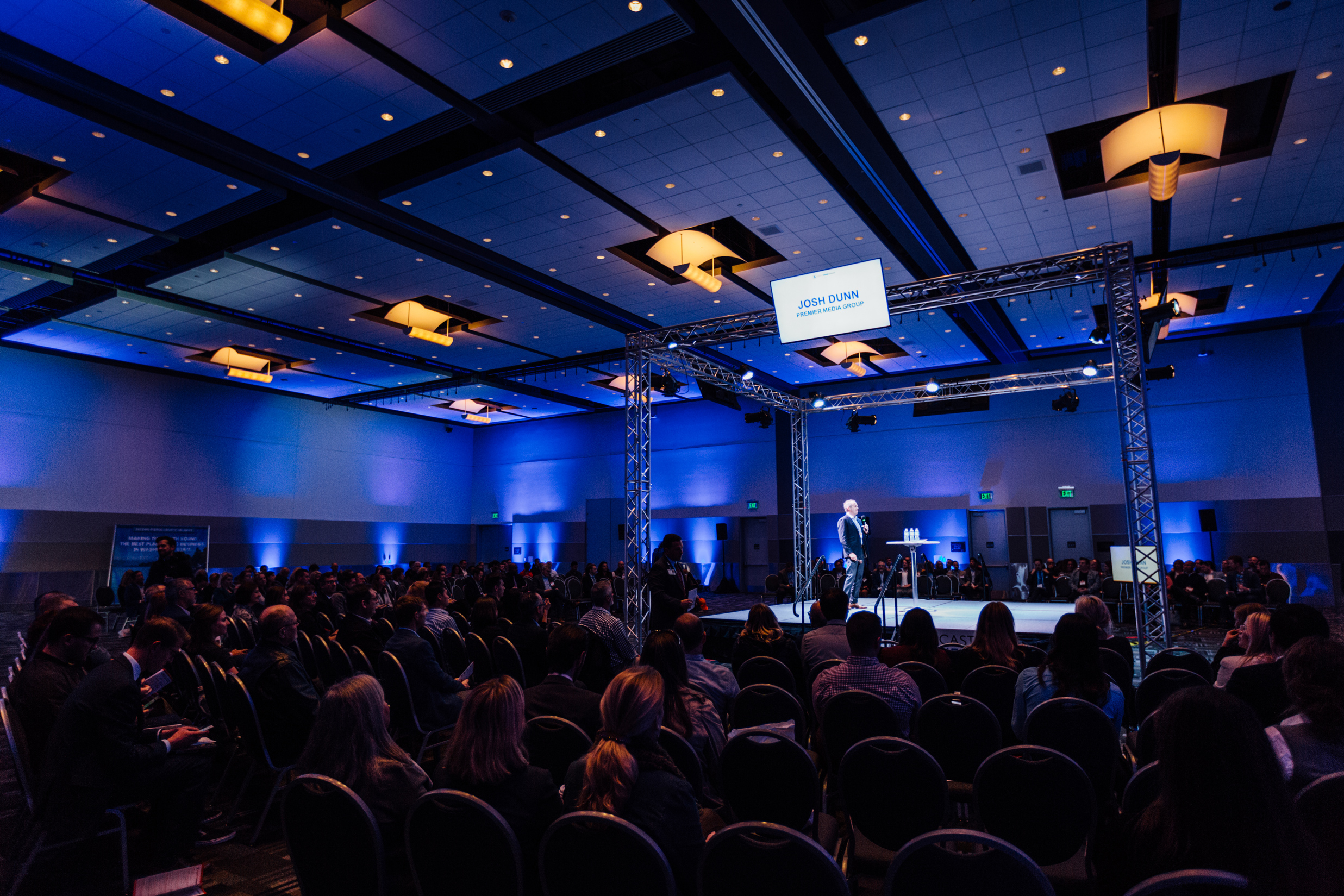
For venues like the Greater Tacoma Convention Center, this shift means flexibility is everything. The ability to transform a space from a traditional banquet setup to a multi-cultural celebration with distinct ceremonial areas is what makes or breaks the modern wedding experience.
The beauty of today's wedding landscape? Couples aren't just following one cultural playbook—they're blending traditions in ways that honor multiple heritages. Here are a few cultural wedding traditions that might show up at your next event:
Chinese Tea Ceremonies: This intimate ritual involves the couple serving tea to their parents as a sign of respect and gratitude. In return, parents typically gift red envelopes with money—a reciprocal show of appreciation. It's meaningful, visual, and relatively easy to incorporate into a larger wedding timeline.
Jewish Chuppah and Glass Breaking: The chuppah represents the couple's new home together, while breaking the glass at the ceremony's end is one of the most recognizable Jewish wedding traditions. Both elements are deeply symbolic and create powerful moments for photography.
Indian and Hindu Celebrations: From mehndi parties (where intricate henna designs are applied) to vibrant mandaps and multi-day celebrations, Indian weddings are a feast for the senses. These events often require significant space flexibility—something convention centers excel at providing.
Latin American Lasso Ceremonies: A rope or rosary is draped around the couple's shoulders in a figure-eight pattern, symbolizing their unity. It's a beautiful visual that works seamlessly in both religious and secular ceremonies.
African-American Jumping the Broom: This powerful tradition, which takes place at the ceremony's end, symbolizes sweeping away the past and stepping into a new life together. It's simple to execute but carries profound meaning.
If you're coordinating a wedding that blends multiple cultures or embraces non-traditional styles, here are some pro tips:
Do your homework. Understanding the why behind a tradition matters. Spend the time to get to know customs respectfully and authentically.
Hire experienced vendors. Work with caterers, officiants, and planners who have experience with the couple's specific cultural traditions. This eliminates misunderstandings and ensures seamless execution.
Plan for timing. Some cultural ceremonies take longer than traditional Western weddings. Build in buffer time and communicate the schedule clearly to all vendors.
Think about flow. If the celebration involves multiple ceremonies or rituals, map out how guests will move through spaces. Convention centers shine here because they offer multiple rooms and pre-function areas that facilitate smooth transitions.
Wedding styles and cultures are more diverse and exciting than ever—and that's something to celebrate. As event planners and coordinators, our job isn't to fit couples into pre-existing boxes but to create spaces where their unique love stories can unfold authentically.
Whether you're planning a minimalist modern affair, a traditional cultural celebration, or a beautiful fusion of both, venues with flexibility and expertise make all the difference. Because at the end of the day, every couple deserves a wedding that feels like them—not a template.