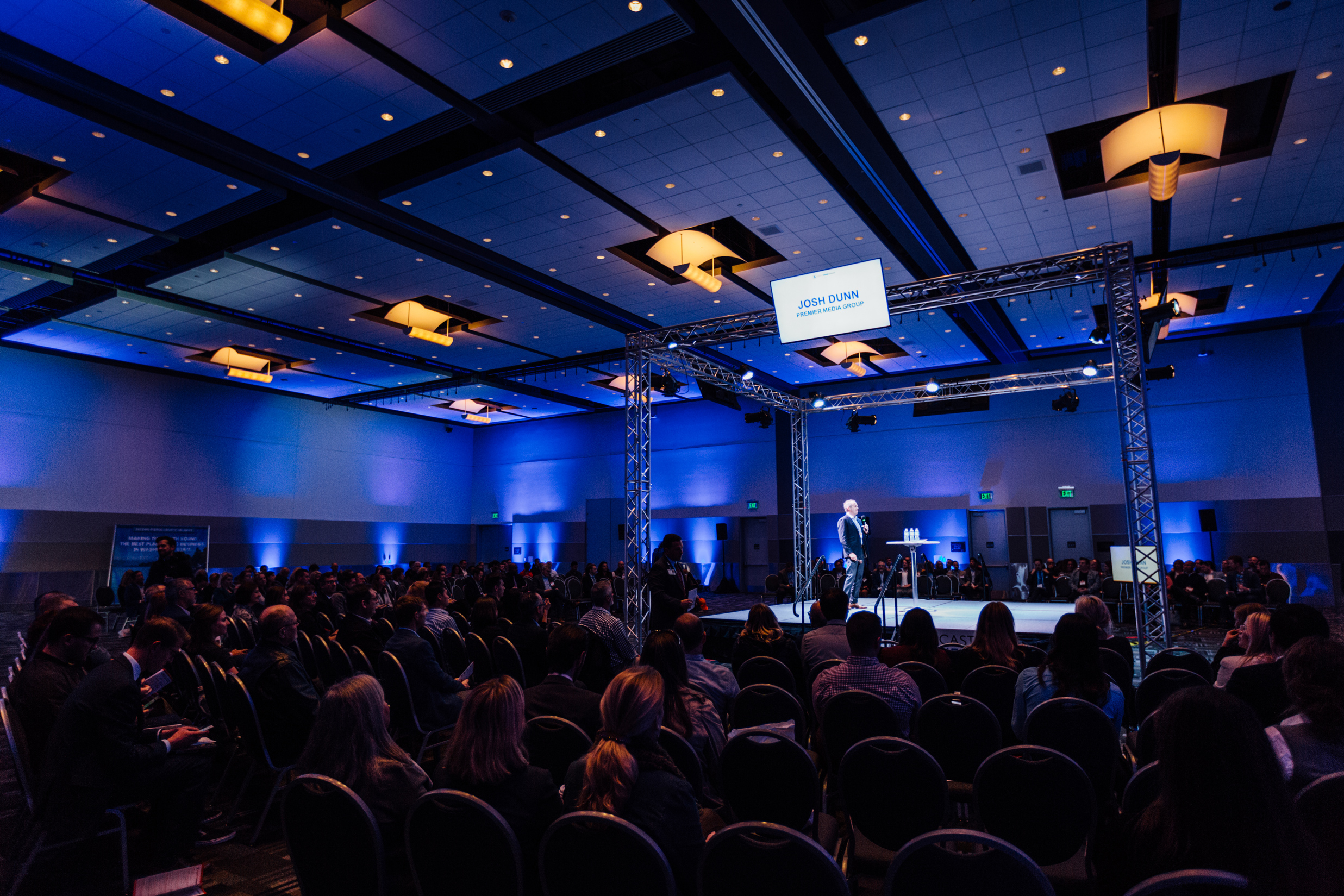
Here's the truth that separates planning pros from the perpetually stressed: successful conferences begin nearly two years before the first attendee walks through the door. This extended timeline isn't about perfectionism—it's about peace of mind.
Early planning gives you access to premium venues, top-tier speakers, and potentially better pricing on everything from catering to audiovisual equipment. More importantly, it spreads your workload across manageable chunks instead of cramming everything into a panic-inducing final sprint.
Create your master timeline with major milestones marked clearly. Think of it as your stress-prevention roadmap.
Before you fall down the rabbit hole of vendor research and menu tastings, nail down your foundation. Define exactly what success looks like for your conference. Are you launching a product? Building customer relationships? Educating your team?
Once your goals are locked, tackle the "Big Three" that will make or break your budget:
Venue selection comes first because everything else depends on location and capacity. Start with three to five options and thoroughly research them all. If budget allows, set up site visits. Don't just look at the pretty spaces—test the Wi-Fi, check the parking, and scope out nearby hotels and restaurants.
Budget development should include a 15% contingency fund, because it’s always smart to expect the unexpected. Track every expense category from venue rental to speaker travel.
Initial vendor research begins now, not six months from now when many are already booked. Start building relationships with audiovisual companies, caterers, and transportation providers.
The fastest way to burn out is trying to handle everything yourself. Smart conference planners build teams and delegate strategically from day one.
Assign specific roles and responsibilities early. One person manages vendor relationships. Another handles attendee communications. Someone else owns the technical requirements. Create clear ownership so nothing falls through the cracks.
Establish regular team check-ins with structured agendas. Weekly 30-minute meetings beat monthly three-hour marathons every time. Use shared project management tools so everyone can see progress and deadlines in real time.
Break your planning into distinct phases with clear deliverables. This approach prevents the overwhelming "I have no idea what to do next" feeling that derails many planning efforts.
Phase 1 (18-12 months out): Secure venue, set budget, begin speaker outreach
Phase 2 (12-6 months out): Finalize program, launch registration, select major vendors
Phase 3 (6-3 months out): Handle logistics details, ramp up marketing, confirm all arrangements
Phase 4 (3 months-event day): Execute final preparations, manage attendee communications, coordinate on-site logistics
Each phase should end with specific checklist items completed. No moving to the next phase until current milestones are met.
Modern conference planning technology can eliminate hours of manual work while reducing errors that create stress. The key is choosing tools that solve your actual problems rather than adding complexity.
Event management platforms automate registration, payment processing, and attendee communications. They also provide real-time dashboards that show exactly where you stand with registrations, revenue, and logistics.
Project management software keeps your team coordinated with automated reminders, task assignments, and progress tracking. Popular options include Monday.com, Asana, and Trello.
Communication tools like Slack or Microsoft Teams centralize vendor conversations, team updates, and document sharing.
Hope for the best, but plan for the unexpected. Comprehensive backup planning reduces stress because you'll know exactly what to do if things don't go according to plan.
Create specific contingency procedures for common scenarios: vendor cancellations, weather disruptions, technology failures, and speaker no-shows. Crisis management planning should include pre-written communication templates and clear decision-making authority.
Maintain relationships with backup vendors. Confirm their availability during your conference dates. Document all backup contacts and procedures in easily accessible formats.
Financial protection through appropriate insurance coverage and contract terms provides additional peace of mind. Review cancellation policies, force majeure clauses, and refund procedures with legal guidance.
The most overlooked aspect of successful conference planning is managing your own well-being throughout the process. Stress management isn't a luxury—it's essential for making good decisions and maintaining quality standards.
Practice time-blocking techniques to focus on specific tasks without interruptions. Schedule high-stakes activities during your peak energy hours and routine tasks during lower-energy periods.
Implement regular stress-relief practices like brief meditation sessions, regular movement breaks, and clear boundaries between work and personal time. Even five-minute breathing exercises can significantly improve focus and decision-making.
Build buffer time into your schedule for unexpected issues and opportunities. Overly tight timelines create stress and reduce your ability to handle surprises effectively.
Building a conference planning checklist isn’t just about staying organized—it’s about reclaiming your time, energy, and confidence throughout the planning journey. By starting early, clarifying your goals, delegating wisely, structuring your timeline, embracing technology, preparing for the unexpected, and protecting your own well-being, you create a framework that transforms stress into strategic control. With these seven steps, you’re not just planning an event—you’re crafting a smooth, successful experience for your team, your attendees, and yourself. Now you can walk into conference season feeling prepared, empowered, and ready to deliver your best event yet.